Key Takeaways
- Pedestrian accidents in busy Augusta spots, especially around Broad Street, frequently lead to severe injuries that demand immediate and long-term medical treatment.
- Figuring out fault in a pedestrian knockdown means looking at everything, traffic signals, crosswalks, and Georgia’s traffic laws, to see if the driver or even the pedestrian was negligent.
- Victims of pedestrian accidents in Georgia have a strict two-year window to file a personal injury lawsuit, as dictated by O.C.G.A. § 9-3-33, so you have to act fast to protect your rights.
- Compensation in these cases can cover medical bills, lost income, and pain and suffering, and you really need legal help to deal with the insurance claims process.
- Insurance companies will always try to pay out as little as possible, so thoroughly documenting the accident, your injuries, and every single expense is how you build a strong case.
Walking around Augusta’s historic streets, especially a place like Broad Street, should be a great experience. But that can turn into a nightmare in a split second when an Augusta peatón gets hit by a car. These aren’t just minor incidents. They’re life-altering events that can saddle you with devastating injuries, mountains of medical debt, and a future that’s suddenly uncertain.
The Reality of Pedestrian Accidents on Broad Street
Broad Street is the heart of Augusta, packed with shops, restaurants, and nightlife. All that activity means more cars and more people on foot, a perfect recipe for accidents. Pedestrian knockdowns happen here all the time, often at busy intersections like Broad Street and 13th Street or 8th Street, where visibility can be poor or drivers just aren’t paying attention to crosswalks.
For the pedestrian, these impacts are catastrophic. Unlike someone in a car, you don’t have a metal frame, seatbelts, or airbags to protect you. Even a low-speed hit can cause broken bones, traumatic brain injuries, spinal cord damage, and serious internal bleeding. The recovery can take months, if not years, involving surgeries, physical therapy, and extensive rehab. The financial and emotional toll is immense.
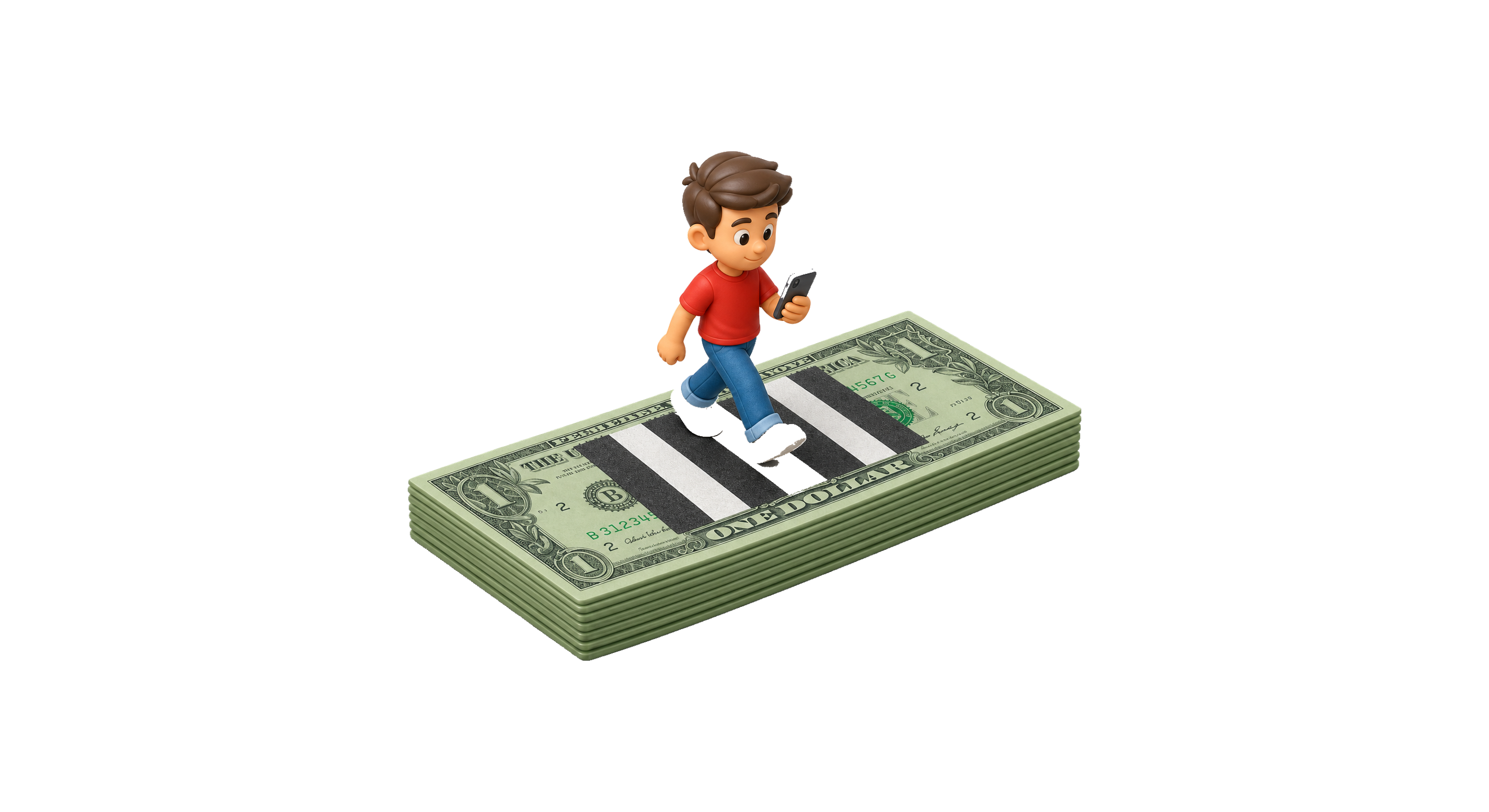
¿Accidente peatonal?
Sepa cuánto vale su caso con la Calculadora de Pagos para Accidente Peatonal con IA ¡GRATIS!
Iniciar mi evaluación gratisMost of the time, the driver is at fault. We see it constantly: drivers texting, speeding, blowing through crosswalks, or driving impaired. But sometimes fault is shared. Pedestrians have rules to follow, too, like using designated crosswalks and paying attention to their surroundings. This isn’t about placing blame. It’s about investigating exactly what happened to determine who is legally responsible.
Determining Fault in a Pedestrian Accident
Figuring out who’s at fault in a pedestrian accident is the first real hurdle in any injury claim. Georgia operates under a modified comparative negligence law (O.C.G.A. § 51-12-33), which means if you’re found to be 50% or more responsible for the accident, you get nothing. If you’re less than 50% at fault, your compensation gets reduced by your percentage of fault. That’s why a proper investigation is everything.
The key factors we look at to determine responsibility are:
- Traffic Laws: Did the driver obey the speed limit and traffic signals? Did the pedestrian cross in a marked crosswalk or jaywalk?
- Distraction: Was the driver on their phone, eating, or otherwise not paying attention? Was the pedestrian looking at a phone or wearing headphones, oblivious to traffic?
- Visibility: Weather, time of day, and street lighting all matter. Drivers have a duty to operate their vehicles safely for the conditions, whatever they may be.
- Witnesses and Video: Eyewitness testimony can be powerful, and video from nearby security cameras (which are all over commercial areas like Broad Street) can be undeniable proof of what happened.
The Augusta-Richmond County Police Department will investigate and write up a police report. That report is an important piece of evidence, but it is not the final word on legal fault. Often, a deeper, independent investigation is needed to pull together all the necessary proof, and attorneys who specialize in pedestrian accidents know how to find and present that evidence effectively.
The Legal Process After an Augusta Pedestrian Accident
After an Augusta peatón gets hit, the road to getting compensated is long and has a lot of moving parts. Here’s a general rundown of the steps we take.
Medical Care and Documentation
First things first: get medical attention right away. Even if you feel okay, some serious injuries don’t show up for hours or days. Getting a prompt diagnosis is not only for your health. It creates the official medical record of your injuries that’s the foundation of any claim. You have to keep every single bill, receipt, and report related to your medical expenses.
Notifying Insurers
You’ll have to report the accident to your own insurance company and the at-fault driver’s insurer as soon as you can. But be very careful what you say to them. Their adjusters are trained to minimize payouts, and they will twist any statement you make to use it against you. It’s best to let an attorney handle all communications with them to protect your rights.
Investigation and Evidence Gathering
This is where the case is built. We gather the police report, witness statements, photos of the scene and your injuries, any surveillance footage, your medical records, and proof of your lost wages. If the situation is complex, an attorney might bring in an accident reconstruction expert to prove exactly how the collision occurred.
Negotiating with the Insurer
Once we have a solid evidence file, your lawyer sends a formal demand package to the at-fault driver’s insurance company. This package details the accident, your injuries, and all the damages you’ve suffered. Then, the negotiations start. The insurer’s first offer is almost always a lowball one, hoping you’ll take it and go away. An experienced lawyer knows how to value your case properly and fight for a fair number.
Filing a Lawsuit and Litigation
If negotiations stall and the insurance company won’t offer a fair settlement, the next step is filing a personal injury lawsuit. In Richmond County, that would typically be filed at the Richmond County Superior Court on 735 James Brown Blvd. You have to remember Georgia’s statute of limitations, O.C.G.A. § 9-3-33, gives you only two years from the date of the accident to file that lawsuit. If you miss that deadline, your right to sue is gone forever. Once the suit is filed, the process moves into discovery (exchanging evidence), mediation, and potentially a trial if no agreement is reached.
Compensation for Pedestrian Injuries
When you’re hit by a car, the financial fallout can be staggering. The goal of compensation is to cover every single loss that resulted from the accident, both the economic and non-economic ones. It’s the law’s attempt to make you whole again, as much as money can.
The types of damages you can claim include:
- Medical Expenses: This covers everything from the ER visit and hospital stay to surgeries, prescriptions, physical therapy, and any future medical care you’re expected to need.
- Lost Wages: If your injuries keep you out of work, you can claim the income you lost. This also includes loss of future earning capacity if you can’t go back to your old job or your career potential is now limited.
- Pain and Suffering: This is a non-economic damage meant to compensate you for the physical pain and emotional distress you’ve gone through, and will continue to go through. It doesn’t come with an invoice, so valuing it is complex and a major point of negotiation.
- Loss of Quality of Life: If your injuries stop you from enjoying hobbies, sports, or even just doing daily tasks without pain, you can be compensated for that loss.
- Property Damage: It’s usually a smaller part of a pedestrian claim, but if your personal items like your phone, glasses, or laptop were destroyed in the accident, their replacement cost can be included.
Putting a number on all these damages requires a careful, detailed assessment, and we often rely on expert opinions. For example, a forensic economist can calculate future lost income, and medical specialists can project long-term treatment costs. The key is to document everything and build a clear, compelling argument for every dollar you claim.
The Importance of Legal Assistance
Getting hit by a car on Broad Street, or anywhere in Augusta, is overwhelming. Let’s be clear: the insurance company is not on your side. Their goal is to protect their profits, and that means paying you as little as possible. They will try to downplay your claim or deny it outright. This is where having a lawyer becomes absolutely necessary.
An attorney experienced with personal injury cases in Georgia will:
- Handle All Communication: We take over all the calls and letters with the insurance adjusters, shielding you from their tactics.
- Conduct a Full Investigation: We dig deep into the facts of the accident, gathering the evidence needed to prove the other party was at fault.
- Accurately Value Your Case: We calculate the full value of your claim, making sure to include current and future medical costs, lost income, and your pain and suffering.
- Negotiate a Fair Settlement: We use our experience to push back against lowball offers and negotiate for the best possible settlement on your behalf.
- Represent You in Court: If the insurance company refuses to be fair, we are fully prepared to take your case to trial and fight for you in front of a judge and jury.
Hiring a lawyer after you’ve been hit by a car shouldn’t create another financial stress. Most personal injury lawyers work on a contingency fee basis. This means you don’t pay any attorney’s fees unless we win your case. It gives you access to professional legal help without any upfront cost. It’s an investment in your own recovery.
Bottom line: a pedestrian knockdown on Broad Street is a complicated legal fight. Don’t try to handle it yourself while you’re trying to heal. Getting a lawyer on your side gives you the breathing room and professional guidance you need to focus on getting better.
What’s the first thing I should do after being hit by a car in Augusta?
First, get medical help immediately, even for what seem like minor injuries. Call the police so an official accident report is created. If you can do so safely, take photos of the scene, your injuries, and the car. Get the driver’s contact and insurance info, but don’t get into an argument about who was at fault. Finally, call a personal injury lawyer as soon as you can.
How long do I have to file a lawsuit for a pedestrian accident in Georgia?
In Georgia, the statute of limitations for most personal injury cases, including pedestrian accidents, is two years from the date of the incident. The law is O.C.G.A. § 9-3-33. If you fail to file a lawsuit within that two-year period, you will almost certainly lose your right to seek any compensation.
Can I still get compensation if I was partly at fault for the accident?
Yes, as long as you were less than 50% at fault. Georgia has a modified comparative negligence rule. This means you can still recover damages, but your final compensation award will be reduced by your percentage of fault. If you’re found to be 50% or more to blame, you get nothing.
What kind of compensation can I get in a pedestrian accident case?
Compensation is meant to cover a wide range of damages. This includes past and future medical bills, lost wages, loss of earning capacity, pain and suffering, emotional distress, and property damage. The final amount really depends on how bad your injuries are, the total impact on your life, and how clearly the other driver was at fault.
Should I get a lawyer if the insurance company already made a settlement offer?
Absolutely. It’s a huge mistake not to get legal advice, even with an offer on the table. The first offer from an insurance company is almost always far less than what your case is actually worth. An attorney can properly value your claim, negotiate for a much better number, and make sure any settlement covers all of your needs, now and in the future.