Savannah’s historic downtown, with its cobblestone streets and unique charm, is a huge draw for millions of people each year. But that same charm creates serious challenges for seguridad vial, and it’s especially dangerous for peatones. Pedestrian accidents are a constant worry in such a busy area, where cars and crowds mix in ways that can get dangerous fast. Knowing the risks and the preventive steps is key for anyone walking these streets.
Key Takeaways
- Pedestrian accidents in downtown Savannah are concentrated at high-traffic, low-visibility intersections, particularly on Broughton Street and Bay Street.
- Under Georgia Code (O.C.G.A.) Section 40-6-91, pedestrians are legally required to use marked crosswalks and obey traffic signals.
- After getting hit, the most important steps are to get immediate medical care, take photos to document the scene, and collect witness information to support a potential claim.
- The statute of limitations for pedestrian accident claims in Georgia is two years, so any legal action has to be started within that window.
- Georgia’s shared fault rule (O.C.G.A. Section 51-12-33) means a pedestrian’s compensation can be reduced if they’re partially at fault, and eliminated entirely if their fault is 50% or more.
Los Peligros Ocultos para los Peatones en el Corazón Histórico
Walking through Savannah’s historic district is a one-of-a-kind experience, but it’s a risky one. The narrow, often one-way streets are crammed with a mix of tourists and locals, creating a complex and dangerous environment. Drivers, many of them visitors, are often unfamiliar with the city’s unique layout or local traffic laws. At the same time, pedestrians get distracted by the architecture or their phones, completely tuning out the traffic around them. That combination is, frankly, a recipe for disaster.
Intersections are the real hot spots. Think about the crossing of Broughton Street and Bull Street, or Bay Street down by the Riverwalk. These are chaotic zones where cars are turning, tour buses are trying to maneuver, and pedestrians are crossing from every direction. Too often, the pedestrian signals aren’t timed for the actual foot traffic, or people just ignore them altogether. And yes, the national data from the National Highway Traffic Safety Administration (NHTSA) confirms what we see on the ground: distraction, by both drivers and pedestrians, is a major cause of these accidents nationwide. Savannah is no exception. The hard truth is that one careless moment can change a life forever.
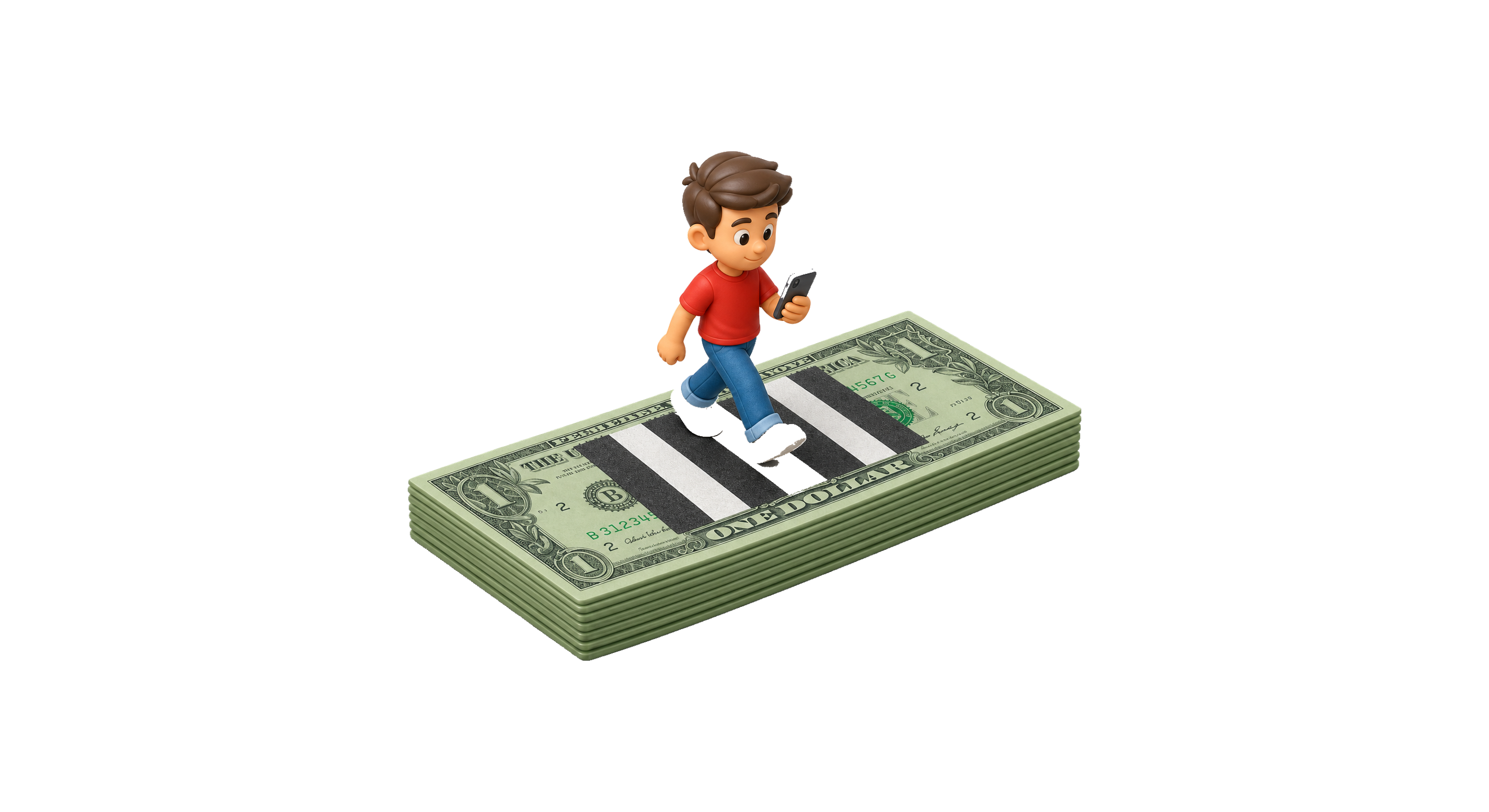
¿Accidente peatonal?
Sepa cuánto vale su caso con la Calculadora de Pagos para Accidente Peatonal con IA ¡GRATIS!
Iniciar mi evaluación gratisThe infrastructure itself is another contributing factor. While Savannah has tried to improve walkability, some sidewalks are in bad shape or simply don’t exist in some spots. Nighttime lighting can also be poor on side streets, which makes it harder for drivers to see people. This is a huge problem, considering a large number of pedestrian accidents happen after dark. The danger isn’t just about who’s at fault. The environment itself creates the hazard.
Marco Legal para la Seguridad Peatonal en Georgia
In Georgia, the law gives responsibilities to both drivers and pedestrians to keep the roads safe. The Código Oficial de Georgia Anotado (O.C.G.A.) spells this out pretty clearly. For instance, O.C.G.A. Section 40-6-91 says pedestrians have to use marked crosswalks at intersections and follow the traffic signals. If there isn’t a crosswalk, they’re supposed to yield to cars already on the road.
On the other side of the coin, drivers have a duty to exercise “due care” to avoid hitting pedestrians. O.C.G.A. Section 40-6-93 requires drivers to yield to people in marked crosswalks and to be cautious at all times. This means that even if a pedestrian is crossing illegally, a driver is still obligated to try to avoid a collision if possible. It’s not a free pass to run someone over, and the law is very specific about that.
When an accident does happen, figuring out who’s at fault gets complicated. Georgia uses a rule called negligencia comparativa modificada (modified comparative negligence), laid out in O.C.G.A. Section 51-12-33. In practice, this means if a pedestrian is found to be partly at fault for the accident, their compensation is reduced by their percentage of fault. But here’s the critical part: if the pedestrian’s fault is 50% or more, they are barred from recovering any compensation at all. It’s a system designed for fairness, but it often leads to big arguments over those percentages.
Understanding these laws is everything. This isn’t about who is morally right. It’s about who is legally responsible. A pedestrian who darts across the street against a red light could be found partially at fault, even if the driver who hit them was speeding. The Savannah police investigate these incidents thoroughly, and their initial report often becomes a major piece of evidence in determining fault.
Qué Hacer Inmediatamente Después de un Accidente Peatonal en Savannah
Getting hit by a car is a traumatic experience. But what you do in the minutes and hours that follow can have a huge effect on your health and any future legal claim. First and foremost, get immediate medical attention. Even if you don’t feel badly hurt, some serious injuries like concussions or internal bleeding don’t show up right away. Go to Memorial Health University Medical Center or St. Joseph’s Hospital. Getting your injuries documented by a medical professional is absolutely critical.
If you’re able and it’s safe, start documenting the scene. Use your phone to take fotografías of everything, the position of the car, any skid marks, the road conditions, traffic signals, and your injuries. You also have to get the contact and insurance information from the driver. And don’t forget the testigos. What they saw can be incredibly valuable, so get their names and phone numbers. People’s memories fade fast, and fresh details are gold.
You must report the accident to the Savannah police. An official police report is the first key document that lays out the basic facts of what happened. While the officer on the scene won’t always assign blame, their report will contain important details like the date, time, location, parties involved, and weather conditions. Getting a copy of this report is a necessary step.
Finally, do not give any statements to the driver’s insurance company before you talk to a lawyer. Insurers will often push for a recorded statement or a quick settlement offer that likely won’t cover the true extent of your injuries and losses. Their main goal is to minimize their payout. You have no obligation to speak with them.
Entendiendo las Lesiones y la Compensación
Injuries from a pedestrian accident can be severe, ranging from broken bones and soft tissue damage to traumatic brain injuries and spinal cord damage that can change your life forever. The costs for medical treatment, rehabilitation, lost income, and pain and suffering add up incredibly fast. The purpose of compensation in a pedestrian accident case is to cover all of these losses.
The types of damages you can seek compensation for include:
- Gastos médicos: This covers everything from the emergency room visit and hospital stay to surgeries, prescriptions, and physical therapy.
- Pérdida de salarios: If your injuries keep you from working, you can claim both the income you’ve already lost and what you’re expected to lose in the future.
- Dolor y sufrimiento: This is non-economic damage that provides compensation for the physical pain and emotional distress the accident caused.
- Pérdida de disfrute de la vida: Compensation for being unable to do the activities you enjoyed before the accident.
- Daños a la propiedad: If your personal items (like a phone or your clothes) were damaged.
Getting this compensation involves a tough process of negotiating with insurance companies or, if it comes to it, filing a lawsuit. It’s a difficult road, and the insurance company will fight to pay out as little as possible. It’s not as simple as just showing them your bills. They might argue your injuries were pre-existing or that you didn’t follow your doctor’s treatment plan. This is where having legal experience on your side really matters. A lawyer can help you properly calculate your damages and present them in a way that builds a strong case.
You’re also on a strict deadline. The estatuto de limitaciones in Georgia for personal injury claims is two years from the date of the accident, according to O.C.G.A. Section 9-3-33. If you miss this deadline, you generally lose your right to seek compensation forever. There are no second chances.
Prevención: Claves para una Mayor Seguridad Vial Peatonal
The best way to deal with pedestrian accidents is to prevent them from happening in the first place. Both pedestrians and drivers must do their part to create a safer environment on Savannah’s streets. For pedestrians, the most important thing is to be alert and be visible. Use crosswalks, obey the walk signals, and put away distractions like your phone. Looking both ways before you cross, even when you’re in a marked crosswalk, is a simple habit that saves lives.
If you’re walking at night, wear bright or reflective clothing. Even carrying a small flashlight can make you more visible to drivers. Never assume a driver has seen you, particularly at dusk or in bad weather. If you can, make eye contact with drivers before you step off the curb. A simple head nod can prevent a disaster.
For drivers, it all comes down to attention and patience. Slow down in areas with heavy foot traffic, like all of downtown Savannah. Watch for pedestrians constantly, especially at intersections and when you’re making a turn. Avoid distractions behind the wheel, especially using your phone, which is illegal in Georgia under O.C.G.A. Section 40-6-241.2. Obey the speed limit and yield to pedestrians in crosswalks. Is that text message really worth it?
The City of Savannah has a role here, too. It’s essential to continue investing in safe pedestrian infrastructure, like well-kept sidewalks, clearly marked crosswalks, and better street lighting. Public awareness campaigns can also go a long way in educating residents and tourists alike on smart road safety practices. Everyone working together is the only way to make Savannah’s streets genuinely safe for all who use them.
Road safety in downtown Savannah is a shared responsibility. By understanding the risks, knowing your legal rights and duties, and practicing safe habits, we can dramatically reduce the number of pedestrian accidents and make our streets safer for everyone. Your safety and well-being come first.
¿Qué debo hacer si soy atropellado por un vehículo en Savannah?
First, get medical help right away, even for what seems like a minor injury. Then, if you can, document the scene with photos, get the driver’s and any witnesses’ information, and call the Savannah police to file an official report.
¿Puedo reclamar compensación si tuve parte de la culpa en el accidente?
Yes, in Georgia you can. Under the state’s modified comparative negligence rule (O.C.G.A. Section 51-12-33), you can still recover damages as long as your share of the fault is less than 50%. Your final compensation amount will, however, be reduced by your percentage of fault.
¿Cuánto tiempo tengo para presentar una demanda después de un accidente peatonal en Georgia?
The statute of limitations for personal injury in Georgia is two years from the date of the accident (O.C.G.A. Section 9-3-33). It is essential to file any legal action within this timeframe, or you will lose your right to make a claim.
¿Qué tipos de compensación puedo esperar después de un accidente peatonal?
Compensation can cover past and future medical bills, current and future lost wages, pain and suffering, loss of enjoyment of life, and any damage to your property. The total amount will depend on how severe your injuries are and the specific facts of the accident.
¿Debo hablar con la compañía de seguros del conductor después del accidente?
It is highly recommended that you do not speak with the other driver’s insurance company or provide a recorded statement without first consulting an attorney. Their objective is to minimize what they pay out, and your words can be used against you. It’s best to have a legal professional handle those communications.